How to Stop Vape Leaking for Good
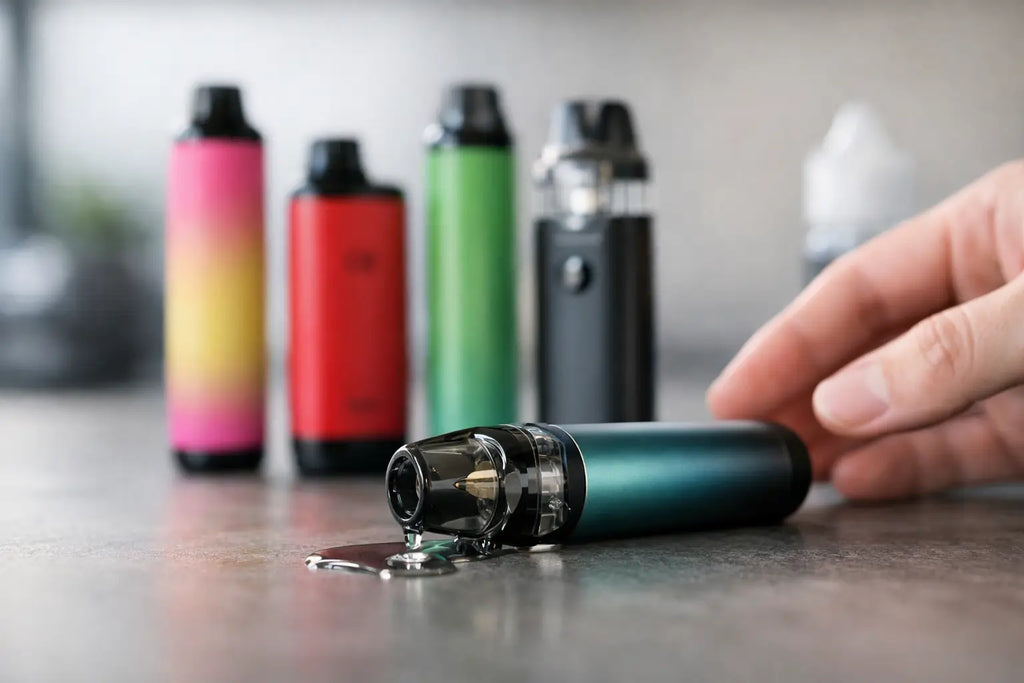
A leaking vape usually starts the same way - e-liquid on your fingers, a wet pocket, and a device that suddenly feels more hassle than it should. If you want to know how to stop vape leaking, the fix is often straightforward: match the right liquid to the right device, fit your coil properly, and avoid filling or storing it in ways that force liquid where it should not go.
The tricky part is that not all leaks are the same. A pod system that spits a little condensation into the mouthpiece needs a different fix from a sub-ohm tank emptying itself through the airflow. Once you know what type of device you are using and where the liquid is escaping from, it becomes much easier to sort.
How to stop vape leaking from pods and tanks
Most vape leaks come down to pressure, poor sealing, or excess liquid getting into the coil. Pods and tanks are designed to hold e-liquid in balance. Break that balance with the wrong filling method, a damaged seal, or a coil that is not seated correctly, and liquid starts to escape.
If your device leaks straight after a refill, overfilling is a common cause. Most pods and tanks need a small pocket of air at the top. Fill them to the absolute brim and the liquid has nowhere to go when the pod is closed, warmed in your hand, or carried around. That pressure can force juice through the coil and out of the airflow.
Coil installation is another regular issue. Push-fit coils need to be firmly inserted, and screw-in coils need to be snug without being overtightened. If a coil sits even slightly off-centre, the seal can fail and the tank may start weeping from the base. On pod kits with built-in coils, the same principle applies to the pod itself. If it is not clipped into place properly, you can end up with liquid gathering underneath.
Then there is the e-liquid. Thin liquids, especially higher PG blends, can flood coils more easily in devices designed for thicker juice. Heavy VG shortfills usually suit sub-ohm tanks better, while nic salts and standard 50/50 liquids are generally the safer fit for most pod kits and starter devices. Use a liquid that is too thin for the coil ports and leaking becomes much more likely.
Check the obvious first
Before assuming the device is faulty, clean it and inspect the main contact points. Take the pod or tank off the battery section and wipe away any liquid from the base, airflow area and connection points. A lot of users mistake normal condensation for a serious leak, especially on compact pod devices.
Condensation tends to build up in the mouthpiece or under the pod as vapour cools. It is usually a small amount of moisture rather than a full tank of e-liquid escaping. If you wipe it away and it comes back slowly, that is often condensation. If the pod is visibly losing liquid level or dripping from the airflow, that is a leak.
Look closely at the seals. Damaged O-rings, split silicone bungs and worn fill-port covers are classic causes. On refillable pods, the rubber plug needs to sit flat and close fully. If it has stretched or torn, liquid can seep out in a pocket or bag even if the pod seems fine on your desk.
Why your vape leaks after filling
Freshly filled tanks and pods are most vulnerable because the internal pressure changes the moment you close them. If you fill too quickly, get liquid down the centre chimney, or snap the pod shut while juice is sitting around the seals, that trapped liquid can work its way out.
A cleaner refill helps more than people expect. Fill slowly, stop short of the maximum line, and keep liquid away from the central airflow tube if your device has one. Once filled, wipe the pod or tank before putting it back on the device. If the coil is new, let it sit for a few minutes so the cotton can absorb e-liquid properly rather than flooding immediately.
Chain vaping straight after filling can also cause problems. If the coil has become oversaturated and the device cannot vaporise the incoming liquid quickly enough, excess juice starts pooling. That can lead to gurgling, spitback and leakage through the airflow.
Coil problems that cause leaking
Coils do not last forever, and a worn coil can leak even if everything else looks right. As the cotton degrades, it holds liquid less consistently. The result can be flooding, weak vapour, popping sounds, or juice collecting in places it should not.
Priming matters, but over-priming is real. A few drops on exposed cotton for a sub-ohm coil is enough. Drench the whole coil and you may start with too much liquid inside it. With pod systems, simply filling the pod and leaving it to stand is usually all you need.
Power settings also play a part. Run a coil too low and it may not vaporise liquid efficiently, which leaves excess juice sitting in the chamber. Run it too high and you risk damaging the cotton, which can then affect how the coil handles liquid. Staying within the recommended wattage range is not just about flavour - it helps prevent leaking too.
How to stop vape leaking in daily use
Storage and handling make a bigger difference than many users realise. Leaving a vape on its side for long periods, especially a full tank, can increase the chance of seepage through airflow holes. Keeping the device upright is the safer option when possible.
Heat is another factor. A vape left in a warm car, near a radiator, or in direct sun can thin the e-liquid and increase pressure inside the pod or tank. That combination often pushes juice through the coil. Cold conditions can do the opposite and affect wicking, so sudden temperature changes are not ideal either.
Drawing too hard on a pod kit can also pull excess liquid into the coil chamber. This happens a lot when people move from disposables to refillable pod systems and keep the same strong puff style. A steadier draw usually works better and can reduce flooding.
If you fly or travel with a filled tank, pressure changes can trigger leaks. Emptying the tank before travel is the safest choice. At minimum, keep it upright and avoid filling it fully beforehand.
Device type matters
Not every vape leaks for the same reason because not every vape is built the same way. Top-airflow tanks are generally more leak-resistant than bottom-airflow designs, although they can still flood internally. Refillable pod kits are convenient, but they rely heavily on good pod seals and correct liquid viscosity. Prefilled pod devices are simpler and often cleaner, but if a pod is damaged or poorly seated, it can still leak.
Advanced hardware adds more variables. RTAs and RDAs depend on accurate wicking, proper cotton placement and secure assembly. Too little cotton and the deck can flood. Too much and you can get dry hits or pressure issues that affect performance elsewhere. If you are using rebuildables, leaking is often less about the tank itself and more about build setup.
For straightforward reliability, many vapers do best with a pod kit or tank matched to the intended liquid type and replacement coil range. That removes a lot of the guesswork.
When leaking means it is time to replace something
Sometimes the fix is not maintenance - it is replacement. If a pod has a loose fill plug, if the tank glass is chipped, or if the O-rings are flattened, you can keep cleaning it but the leak will return. The same goes for old coils that keep flooding no matter how carefully you refill.
Replacement pods, coils and seals are consumables for a reason. Once they wear out, performance drops and leaks become more common. If your current setup has become unreliable, swapping the worn part is usually cheaper and easier than putting up with wasted e-liquid.
For users who refill frequently, it can also be worth switching device style. If you want less maintenance, a well-designed pod system or prefilled pod device may be the cleaner option. If you prefer higher power and larger liquid capacity, choosing a quality tank with solid sealing and the right coil range makes day-to-day use easier.
A simple routine that prevents most leaks
The best approach is consistency. Use the right e-liquid for the device, fit coils correctly, do not overfill, keep the seals clean, and store the vape upright. Wipe condensation away before it builds up, and replace pods or coils once they start showing wear rather than trying to stretch them for another week.
Most leaking is preventable, but it is rarely fixed by one trick alone. A clean refill, a properly fitted coil and the right liquid do most of the heavy lifting. Get those basics right and your vape should stay where it belongs - in your hand, not in your pocket.