A Practical Guide to Sub Ohm Vaping
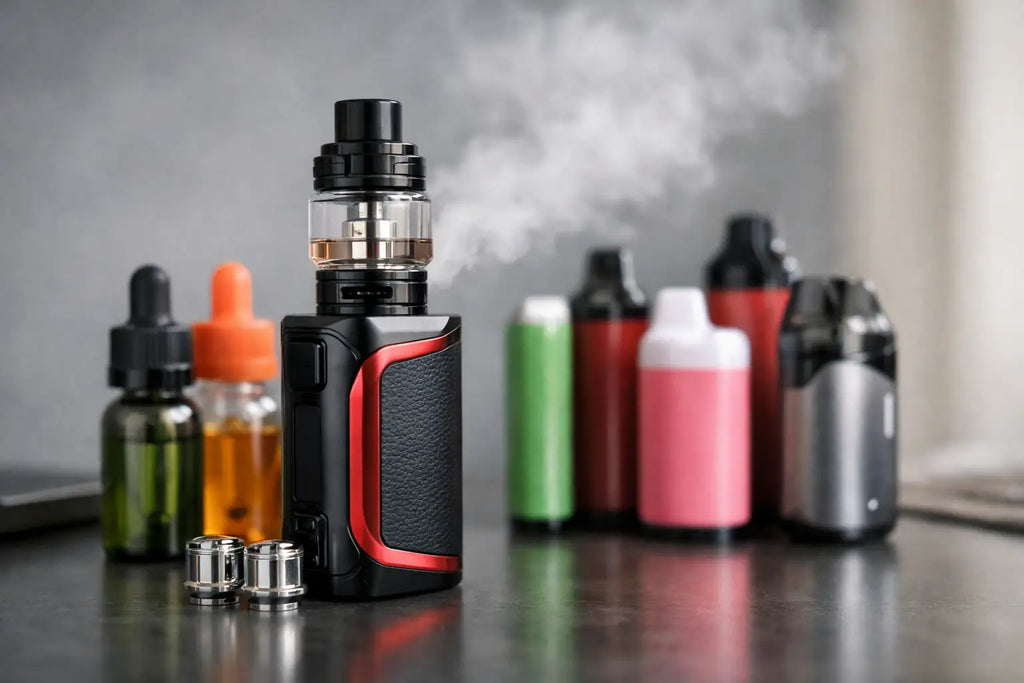
That first sub-ohm setup can go two ways. You either get the dense vapour and strong flavour you were hoping for, or you end up with a burnt coil, harsh inhale and a tank that seems to drink e-liquid faster than expected. This guide to sub ohm vaping is here to keep you in the first group.
Sub-ohm vaping is not complicated once the basics are clear, but it does ask more from your kit and your e-liquid than a simple pod device. If you are moving on from MTL vaping or a starter kit, the main difference is that sub-ohm devices are built for higher power, lower resistance coils and far more vapour. That usually means direct-to-lung inhaling, lower nicotine strengths and a stronger focus on coil choice, wattage and airflow.
What sub-ohm vaping actually means
A sub-ohm device uses a coil with a resistance below 1.0 ohm. In practical terms, that lower resistance allows the coil to heat quickly at higher wattages, producing more vapour and a warmer vape. It is the standard format for many modern vape kits, tanks and advanced mods aimed at flavour and cloud production.
For most vapers, the attraction is straightforward. Sub-ohm kits can deliver fuller flavour, more noticeable vapour and a looser inhale than pod systems built around nic salts. They also offer more room to fine-tune the vape. You can change coils, adjust wattage, open or tighten airflow and pair different e-liquids to get the draw you prefer.
That said, more power also means more e-liquid use, quicker battery drain and a bit more attention to setup. If you want the most convenient all-day option with minimal maintenance, a simple pod kit may still suit you better. If you want a more powerful vape and more control, sub-ohm is where most users look next.
A guide to sub ohm vaping for beginners
The easiest way to start is with a regulated sub-ohm kit rather than a mechanical mod or rebuildable setup. A regulated device gives you built-in protections, a screen or power controls, and a much more forgiving learning curve. For anyone new to this style of vaping, that is the sensible route.
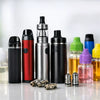
A typical sub-ohm setup includes a mod or built-in battery device, a tank, a low-resistance coil and high-VG e-liquid. Some kits are compact and simple, while others give you external batteries, higher wattage output and more customisation. The right choice depends on how much control you want and how much upkeep you are happy with.
If your priority is convenience, choose a kit with plug-and-play coils, clear wattage guidance and a top-fill tank. If you already know you enjoy adjusting settings and trying different coil resistances, a more advanced mod and tank combination gives you more flexibility.
Picking the right coil and wattage
Coils shape the whole experience. The resistance, material and recommended wattage range all affect flavour, warmth and vapour output. Most sub-ohm coils sit somewhere between 0.15 and 0.6 ohm, with lower resistances generally designed for higher power.
The important part is not to chase the highest wattage for the sake of it. Start within the coil's recommended range, usually at the lower end, and work up slowly. That gives the coil a better chance to bed in properly and helps you find a setting that suits your inhale style and e-liquid.
For example, a coil rated for 40-60W will usually perform well if you begin around 40W and increase in small steps. If the flavour feels weak, add a little power. If the vape is too warm, too aggressive or starts to mute flavour, back it down. There is rarely one perfect number for everyone.
A lower-wattage sub-ohm coil can offer a smoother, more efficient vape with very good flavour. Higher-wattage coils tend to produce more vapour, but they also consume more liquid and put more strain on battery life. That trade-off matters if you are buying e-liquid regularly or need something that lasts through a full day.
The best e-liquid for sub-ohm kits
E-liquid choice matters more than many new users expect. Most sub-ohm tanks perform best with high-VG shortfills, commonly around 70VG/30PG. The thicker liquid suits the larger wick ports and higher temperatures used in sub-ohm coils.
Using a thin nic salt or 50/50 liquid in a powerful sub-ohm tank can cause problems. It may flood the coil, spit, leak or deliver far too much nicotine too quickly. Sub-ohm vaping usually works best with low nicotine strengths, often 3mg or 6mg depending on your usage and the power level.
If you are moving over from nic salts, this is one of the biggest adjustments. A nicotine strength that feels normal in a pod device can feel much too strong in a sub-ohm kit. The vapour volume is much higher, so the nicotine delivery feels different even if you take fewer puffs.
Shortfills are the standard pick for sub-ohm users because they are available in larger bottle sizes, broad flavour ranges and VG ratios that suit bigger coils. Fruity blends, desserts, drinks and chilled profiles all work well, but sweeter liquids may reduce coil life a bit faster. Again, it depends on the recipe and how heavily you vape.
Airflow and inhaling technique
Sub-ohm devices are usually designed for direct-to-lung vaping. Instead of drawing vapour into the mouth first, you inhale it straight to the lungs. That makes sense with the looser airflow and larger vapour production these tanks are built for.
If you try to vape a sub-ohm tank exactly like a tight MTL pod, it can feel harsh or awkward. Open airflow and a steady inhale usually work better. You do not need to pull hard. In fact, a smooth, controlled draw often gives the best result.
Airflow adjustment lets you fine-tune the balance between flavour, warmth and vapour density. More open airflow gives a cooler vape with more cloud production. Slightly closing it down can increase flavour concentration and warmth, but too tight and the coil may run hotter than you want. Small adjustments are usually enough.
How to avoid burnt coils and leaking
Most coil issues come from setup or mismatch rather than a faulty tank. Priming the coil properly is the first step. Before using a new coil, add a little e-liquid to the exposed cotton, fill the tank and let it sit for several minutes. Then start at the low end of the wattage range.
If you fire a fresh coil too hard straight away, the cotton can burn before it is fully saturated. Once that happens, the taste usually does not recover. A new coil should ease in, not be blasted at maximum power.
Leaking is also usually fixable. Make sure the coil is fully installed, the tank is assembled correctly and the seals are intact. Overfilling, leaving the fill cap loose or using an e-liquid that is too thin can all lead to leaks. Changes in temperature can also affect pressure inside the tank.
If your tank gurgles or spits, check whether the coil is flooded. A few firm shakes downward with tissue around the base can help clear excess liquid, but if the problem keeps returning, the liquid or wattage setting may not match the coil properly.
Battery safety matters with sub-ohm vaping
A proper guide to sub ohm vaping has to include battery safety, because higher-power devices rely on it. If you use a kit with external batteries, stick to quality cells from recognised manufacturers, use the correct battery type for your device and carry spare batteries in a protective case, never loose in a pocket or bag.
Inspect battery wraps regularly. If a wrap is torn, replace or rewrap the battery before using it again. Use an appropriate charger if your setup requires one, and make sure your wattage is realistic for the batteries installed.
For most users, a regulated mod keeps things simple. The device manages safety protections and helps prevent common errors. Mechanical mods and advanced rebuildable setups are better left to experienced users who fully understand Ohm's law, battery limits and build safety.
Is sub-ohm vaping right for you?
If you want bigger flavour, more vapour and a stronger sense of customisation, sub-ohm vaping is a good fit. It suits vapers who are happy to refill tanks, change coils and spend a bit more time dialling in a setup. It is also a natural step for users moving beyond basic starter kits.
If you prefer compact devices, discreet vapour and low-maintenance use, pods and prefilled systems still have clear advantages. There is no wrong choice here. It comes down to what you want from your vape day to day.
For UK customers shopping across mainstream kits, tanks, coils, shortfills and advanced hardware, the useful thing is having all those options in one place rather than trying to force one device style to do everything. The right sub-ohm setup should fit your habits, not the other way round.
Start simple, use the right liquid, stay within the coil's range and make small adjustments instead of big jumps. Once the setup is matched properly, sub-ohm vaping stops feeling technical and starts feeling consistent.